
We ask the awkward question. Most don't.
The developers who burn you are the ones who say yes immediately. We scope the edge case, push back when the plan doesn't survive contact with users, and tell you when not to build it. Ten years of rescuing other people's broken software — and the products our clients still run prove it was worth it.
Engineer-run for 10 years · Contact form goes to a senior · No SDR, no deck
















Four situations bring most founders to us.
We don't list capabilities. Each engagement below is a productized shape with a price anchor and a refusal stack — pick the one that matches what's actually broken in your inbox right now.
Rescue Sprint
The last agency said rebuild from scratch and your investors are asking when the next release is. Two seniors, four weeks: we decide what stays, ship the painful fixes, and you keep building on what you have. A written 90-day plan you can defend whether or not we keep going.
Embedded Product Team
Your roadmap is real, your hiring funnel isn't. Three to five seniors — engineers, product, design — slot into your stand-ups and your repo for 3–9 months while you run the company.
Fractional CTO
Your lead engineer just walked. A senior tech lead picks up the context, holds the architecture, and keeps releases moving while you decide whether to rehire — or whether you even need to.
Maintenance Retainer
The product ships and the team that built it has moved on. We hold the keys: pager, deploys, security patches, the small features that keep customers from churning.
Ten years. Engineer-run. The contact form goes to a senior.
No SDR, no account exec, no pipeline funnel. The person who reads your first message is the same person who'll be in your stand-up if we work together. That's how the work has traveled for ten years — and the survivability of the products our clients still run is the proof.
Not an SDR. Not an account exec. A senior engineer or product lead — usually one of the partners. We answer in hours, not days, because we're the same people who'd be in the room.
Most engagements ship the painful fix in month one and have a written roadmap by month three. Same team, no hand-off from sales to delivery — there's no sales to hand off from.
Every founder on this page will pick up the phone if you ask. Ask the awkward question — what did Kodius push back on? — and listen for the specific answer.
Named clients. One-line outcomes.
Six recent engagements. Each one a funded founder who came in with a real problem and left with shipped software that still runs.
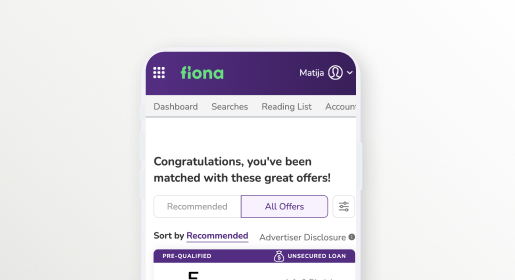
Engine vetted 80+ development agencies and chose Kodius as its long-term product team. Together we built and shipped the product that grew the company to the MoneyLion acquisition.
Read case →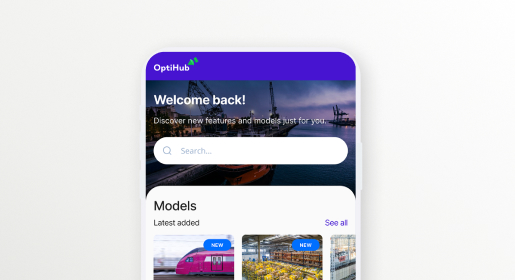
Optilogic needed a team to build Cosmic Frog — the web app showcasing their supply-chain design platform. Kodius built it as one team and shipped to General Availability.
Read case →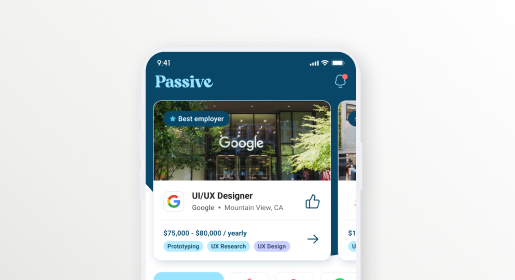
A founder walked in with a job-hunt thesis and walked out 21 days later with an investor-ready prototype — workshop, flows, and a clickable Figma build.
Read case →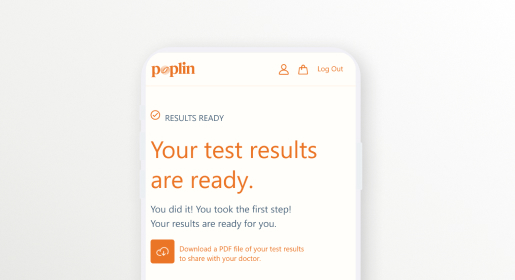
A pregnancy app at scale-up speed needed a team that wouldn't drop the pager. Every milestone the founder set: shipped, sometimes early.
Read case →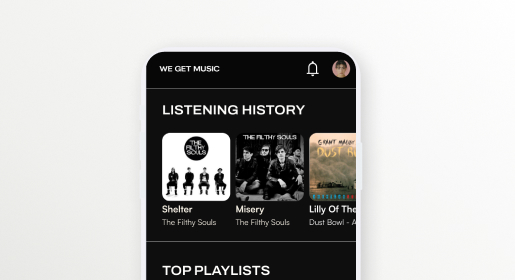
Their lead developer left and the platform went down. Kodius took over, brought it back up, and has hosted it ever since — then built We Get Artists alongside it.
Read case →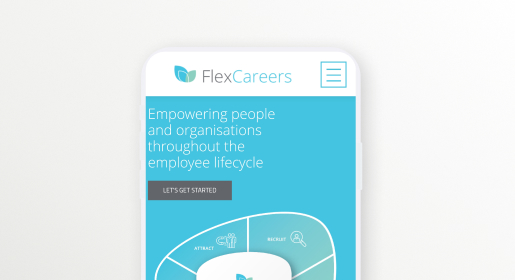
A fast-growing job-matching platform handed over with no team to own it. Kodius took the keys and has run, modernised, and maintained it for six years.
Read case →Four founders. Different problems. One verb: shipped.
Read the full versions on Clutch — every review is verified, named, and tied to a real project.
They are very goal-oriented and they definitely get the job done. Kodius understood what we needed and delivered.

Kodius was really instrumental in building Cosmic Frog and getting the product to General Availability.

I was so impressed at their ability to understand our rather unique business.

They've been able to overdeliver for the price point and the time invested.
